



The 10-year assessment confirms an improvement in Luxembourg's international perception, with 78.1% of promotion stakeholders judging the country's image to have evolved positively.
The Brand Image Unit, attached to the Ministry of the Economy, is now refocusing its role on coordinating stakeholders rather than direct promotion, around three pillars: inspire, support and monitor.
Three priority action areas will structure the country's promotion through 2030: attracting young talent, innovation and quality of life.
Launched on 10 October 2016, the LuXembourg, Let's Make It Happen initiative aimed to bring together the country's promotion stakeholders around a coherent communication strategy. Ten years on, the assessment drawn up by the Brand Image Unit, attached to the Ministry of the Economy, SMEs, Energy and Tourism, is judged positive.
According to figures published to mark the anniversary, 78.1% of promotion stakeholders believe the country's overall image has evolved positively, and 82% of residents have already heard of the LuXembourg, Let's Make It Happen signature. The brand architecture has, for its part, expanded by 200%, growing from 13 actors and initiatives registered in 2021 to 43 today.
This progress is confirmed by comparisons of image studies conducted abroad between 2019 and 2024 in six countries (Belgium, Germany, the United Kingdom, the Netherlands, the United States and Japan), as well as additional studies carried out in 2025 in five other countries. On the operational side, the 2021-2025 action plan shows a completion rate of 86% out of 208 planned actions, with more than 550 promotion files handled by the Unit in 2025 alone.
The most structural repositioning in the new plan concerns the role of the operational entity itself, renamed the Brand Image Unit. The document specifies that LuXembourg, Let's Make It Happen is not meant to act as a direct promotion agency, but rather as a coordination platform for Luxembourg's promotion stakeholders. Promotion actions directly targeting entrepreneurs, talent or visitors will continue to fall under sectoral actors, with the Unit stepping in as support.
This mission breaks down into three complementary pillars. The inspire pillar follows a forward-looking logic, notably through the creation of a think tank in the form of a restricted prospective committee, recommended as part of the external evaluation of the previous plan. The support pillar reflects an operational logic of accompanying stakeholders, through advice, partnerships and tools centralised on the site dedicated to promotion stakeholders. The monitor pillar, finally, aims to measure the impact of the national brand via e-reputation, image studies and a future centralised dashboard, with the aim of positioning the Unit as a genuine observatory of Luxembourg's promotion efforts.
Beyond the methodological pillars, the action plan identifies three concrete action areas meant to structure the country's communication through 2030. The first, called Young Luxembourg, aims to strengthen the Grand Duchy's appeal to young talent, students or young international professionals, drawing on assets such as the University of Luxembourg, free public transport and an accessible cultural scene. This area builds on the Work in Luxembourg initiative, launched in early 2026, with the stated ambition of developing a future Study in Luxembourg strand.
The second area, Innovation & Influence, targets the country's positioning as a reference player in space technologies, automated driving, data and artificial intelligence. The third, titled Luxembourg. Easy & Tasty., highlights quality of life, ease of mobility, multilingualism and culinary richness, particularly Luxembourg's wines and crémants.
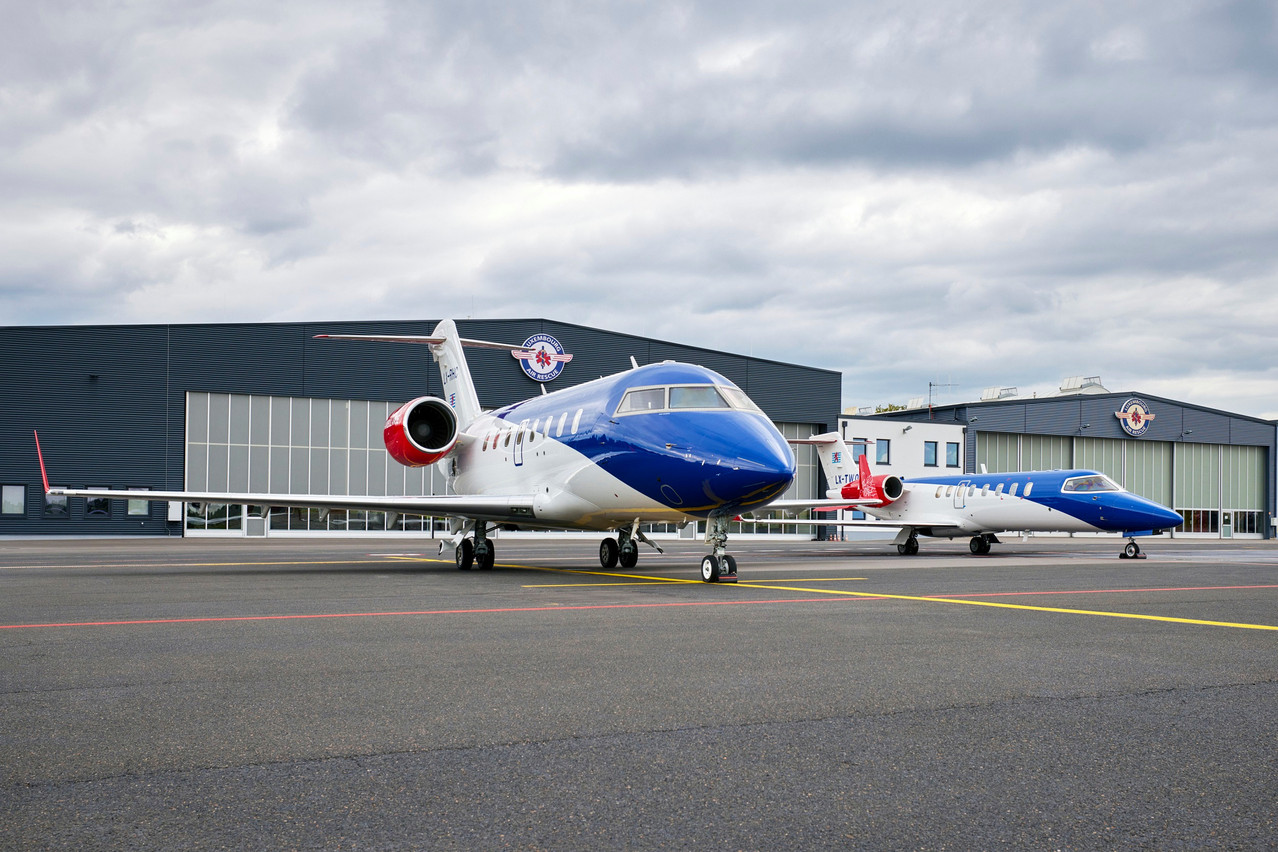
The action plan is accompanied by an anniversary campaign called "LuXembourg. 10 Years. 10 Letters", running from 22 June to 22 September 2026 as a summer game inviting people to discover the country through ten giant letters installed at landmark locations. By the end of 2026, the LuXembourg House will also relocate to the Konrodseck, in the heart of Luxembourg City, while the airport, which welcomes more than five million passengers each year, will reinforce its showcase dedicated to the national brand.
For HR professionals and those working in the country's economic promotion, this strategic repositioning is no small matter. The Young Luxembourg and Easy & Tasty areas directly connect with talent attraction and retention challenges already identified in other studies, notably Liser's work on Luxembourg's difficulty retaining foreign talent, as covered in a recent article. Coherence between the national brand and employer branding is thus becoming common ground for businesses and public institutions across the Grand Duchy.
By clarifying its coordination role rather than direct promotion, the Brand Image Unit intends to turn the national brand into a system of collective learning and continuous improvement, built around indicators shared with all promotion stakeholders.
This ambition comes against a backdrop of international uncertainty, where Luxembourg's ability to measure the effectiveness of its communication actions is becoming a strategic issue in its own right.
The 2026-2030 calendar accordingly includes four editions of the strategic think tank, a mid-term evaluation of the action plan in 2028, and annual monitoring of the country's promotion efforts, ahead of the drafting of the next action plan for 2031-2035.



.jpg)
.jpg)
.jpg)