




Perimenopause and menopause can begin as early as the late thirties. They have a direct impact on working capacity, a reality that is sometimes little understood.
A lack of listening and understanding, both in medical care and in the workplace, makes the difficulties women face even harder.
For Lëtz Menopause, better information and adjustments to work organisation could help preserve the experience of many employees.
"We rarely put our finger on a hormonal phenomenon that affects 100% of women." For Diane Elsen, vice-president of the association Lëtz Menopause, menopause remains poorly understood, including in the workplace.
Founded in November 2025, the association's mission is to inform women as well as the wider public, including employers. According to its members, menopause is not solely a private matter. It is a societal issue and a matter of public interest.
"Until 2022, menopause was often reduced to hot flushes and joint pain," explains Diane Elsen. According to her, this view obscures symptoms that weigh directly on professional life: intense fatigue, memory problems, difficulty concentrating and irritability.
She also points to an important distinction. Perimenopause, a period of hormonal fluctuations, can begin as early as the late thirties and last several years before menopause itself, which corresponds to the permanent end of periods. "We are moving towards a new body. Many women no longer recognise themselves and lose confidence in their abilities."
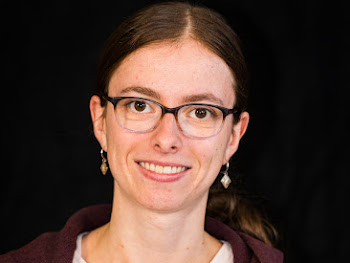
Caroline Lentz, a volunteer at Lëtz Menopause, experienced these changes following an ovary removal at age 45. This surgery followed endometriosis. "Anxiety, depression and lack of energy affected me deeply. I could no longer manage a position with responsibilities." A civil servant, she eventually withdrew temporarily from working life to recover.
Day to day, the symptoms translated, for this HR manager, into entirely new situations. "My brain could no longer handle the accumulation. During meetings, anxiety would rise along with waves of heat. I had to step out to splash cold water on my arms. Before, I would have handled it without any difficulty."
Diane Elsen also describes a physical and cognitive fatigue that turns even a normal working day into a challenge. "Arriving at 8am already takes a lot of energy. The workload doesn't necessarily change, but the way we manage stress does." She also describes lapses in concentration that can strike in the middle of a meeting or just as she is about to speak.
"Without a clear message from management, you end up feeling at fault towards your employer."
Beyond the symptoms themselves, the association's members highlight the sense of misunderstanding they encounter in the professional world.
After her surgery, Caroline Lentz says she would have welcomed "genuine listening and empathy" from her managers. She advocates for more individualised support, with adjustments such as increased remote work or a temporarily revised workload. "Without a clear message from management, you end up feeling at fault towards your employer."
The issue extends beyond the workplace. Association members note that many women move from one doctor to another before getting an explanation for their symptoms. According to a report published by the World Economic Forum, only 2 in 10 women receive a correct menopause diagnosis at their first consultation.

For Marthe Schmit, secretary and co-founder of the association, the first step is education. She encourages companies to train designated contact people capable of listening to and guiding affected employees.
"It would be a shame to lose loyal employees, along with all the experience they have built up," she sums up. She notes that some women reduce their working hours or leave their jobs temporarily for lack of support.
Finally, Caroline Lentz calls for a broader perspective. "Menopause, like postpartum recovery or IVF, is not just a women's issue. It's a matter for society as a whole, and for inclusion."
As the ageing of the workforce becomes an issue for Luxembourg companies, menopause is gradually coming out of the shadows. For the members of Lëtz Menopause, the first lever remains knowledge. Understanding this transition also means giving employees the means to continue their careers under better conditions.




.jpg)